

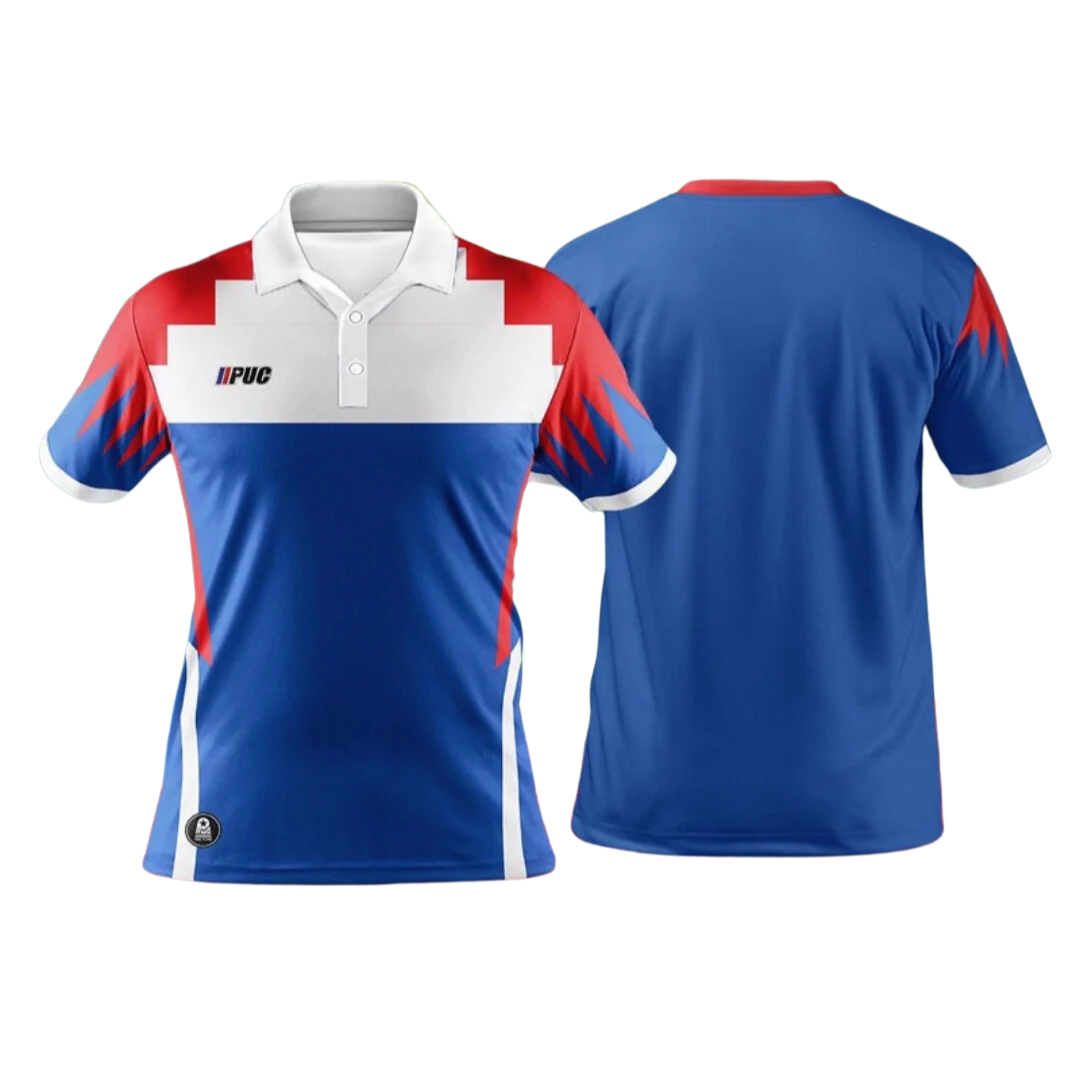
Sustainability in apparel manufacturing is often discussed in broad terms, but for companies buying uniforms or business attire, the answer lies in a much more straightforward question: What impact do production decisions have on waste, durability, and consistency over time?
Contemporary t-shirt producers in Malaysia are making quiet, process-based changes instead of dramatic shifts. These changes are less about labels, and more about how shirts are planned, produced and reordered. For uniform producers such as CY Uniform, sustainability is directly associated with consistency and longevity.
Sustainability Starts With Purpose-Driven Production
Unlike fashion-driven clothing, uniforms are designed for functionality and frequent reuse. A Malaysian shirt manufacturer providing uniforms must look beyond trends and focus on creating effective long-term solutions.
This is very apparent in CY Uniform’s work with corporate clients. Designs are standardised, sizes are regulated, and materials are chosen for their durability, not their temporary appeal. This saves on frequent redesigns, unnecessary sampling, and fabric wastage due to specification variation. In this case, stability contributes to sustainability.
Fabric Selection With Longevity in Mind
The choice of fabric significantly contributes to the environmental impact, but durability is just as important as raw material origin. Many contemporary Malaysian T-shirt manufacturers are currently focusing on fabrics that retain their shape, colour and comfort after repeated washing.
At CY Uniform, the selection of fabrics is based on real-life wear. Shirts intended for daily wear, outdoor work and frequent laundering are paired with more durable materials. Increasing the lifespan of garments reduces the need for replacements, thereby minimising overall consumption. Rather than offering every fabric option available, CY Uniform only provides those that can be reused in production and have a long lifespan.
Reducing Waste Through Repeatable Sizing and Patterns
Cutting and sampling are one of the biggest contributors of waste in the manufacturing of apparel. Continuous alterations of size and tailored designs augment offcuts and rejected samples in fabrics.
CY Uniform is a shirt manufacturer in Malaysia that deals with uniforms by ensuring that it has uniform sizing systems among clients. Once approved, a sizing set is reused in subsequent orders.
This approach reduces:
● Pattern changes over and over again.
● Excess fabric waste
● Sample remakes for reorders
In the long run, this affects material efficiency.
Printing and Decoration Choices That Last
Sustainability is not just about materials. The decoration method also influences waste production and product longevity.
In Malaysia, modern T-shirt manufacturers such as CY Uniform tend to advise clients on the most suitable printing or embroidery technique for their intended use. For example, uniforms that will be washed regularly should be embroidered or printed using durable methods.
Extended decoration helps save on replacing shirts due to fading or peeling, which facilitates sustainability through reduced turnover and not eco claims.
Production Planning That Avoids Overordering
One of the least discussed sustainability issues in the fashion industry is overproduction. Over-ordering results in surplus inventory, storage expenses, and ultimately, disposal.
CY Uniform collaborates with clients to determine appropriate quantities based on actual staff numbers, usage cycles and reorder patterns. As a shirt manufacturer in Malaysia with long-term uniform programmes, CY Uniform advocates staggered ordering as opposed to one-off overproduction.
More intelligent planning minimises waste without the need to change materials or pricing structures.
Consistency as a Sustainability Strategy
Many t-shirt producers in Malaysia have achieved sustainability through operational discipline rather than significant alterations to infrastructure.
CY Uniform’s emphasis on repeatability implies:
● Approved designs are reused
● Fabric specifications do not change.
● Production processes remain the same.
This minimises rework, rejected batches, and errors that cause unnecessary waste. Consistency is one of the most effective sustainability tools in uniform manufacturing.
Realistic Progress Instead of Perfection
It is important to be realistic. Not all projects will be able to use eco-certified fabrics or low-impact dyes. Budget, performance and availability still matter.
The difference is that modern shirt manufacturers in Malaysia now consider trade-offs differently. Sustainability is no longer an appendix. It is incorporated into planning decisions, material discussions and production workflows.
CY Uniform’s approach is based on this balance, prioritising durability, efficiency and long-term usability over superficial claims.
Frequently Asked Questions
Does sustainable uniform production always cost more?
Not always. Longer-lasting shirts and fewer replacements can lower overall costs over time.
How does consistency support sustainability?
Consistent sizing, materials, and designs reduce waste from resampling and rework.
Can corporate uniforms be produced sustainably without eco labels?
Yes. Durability, repeatability, and efficient planning all contribute to sustainability.
Is CY Uniform focused on sustainability or just uniforms?
Sustainability is addressed through how uniforms are produced, reused, and reordered over time.
Conclusion
Sustainability has become a key consideration in apparel manufacturing. For contemporary T-shirt producers in Malaysia, it is usually advancements in planning and regular production that result in durable garments.
In particular, sustainability in uniform manufacturing is less about dramatic changes and more about disciplined processes. Manufacturers such as CY Uniform show how the everyday production choices can contribute to more responsible results in the long-term by prioritising durability, repeatability, and realistic planning of orders.
Learn more about how a uniform-focused shirt manufacturer in Malaysia, such as CY Uniform, supports long-term, consistent production.